Products
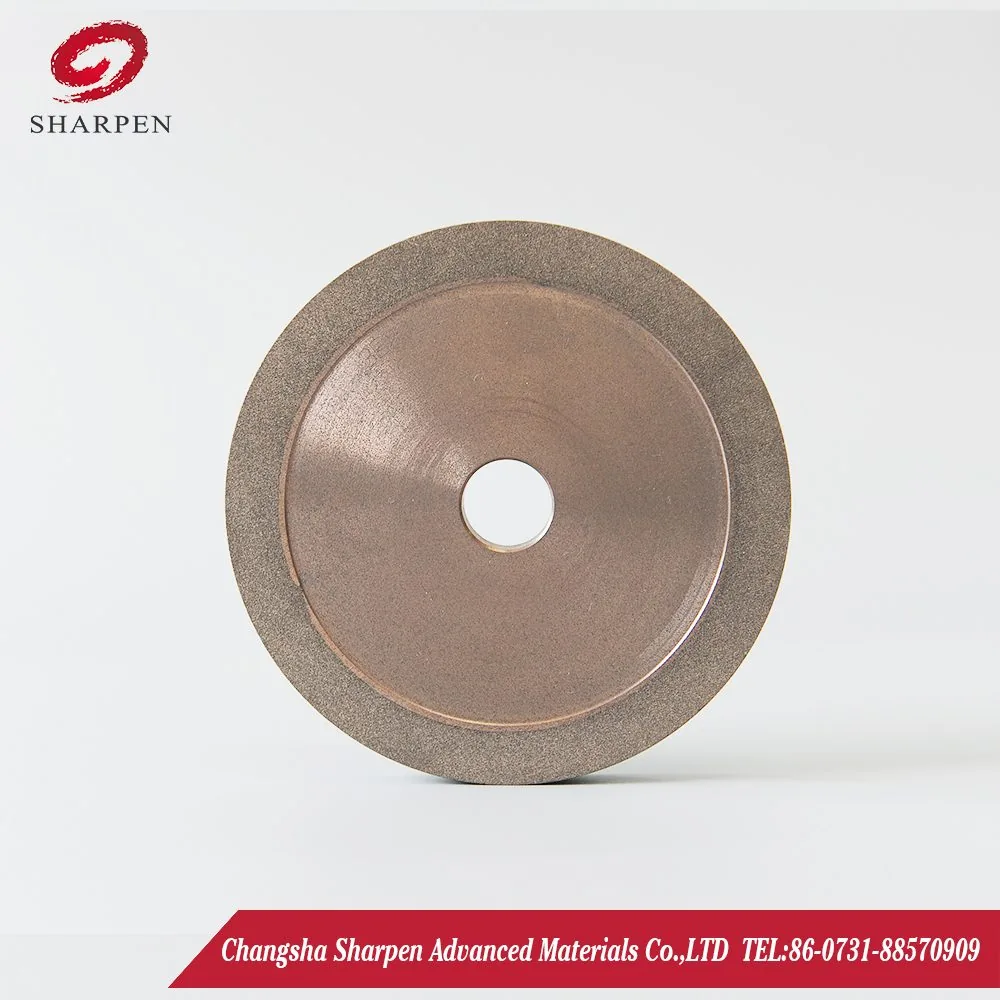
High-strength grooving grinding wheel
Sharpen New Materials, through independent R&D, overcame the technical challenges in the bonding of bond and diamond/CBN abrasive grains, pioneered the development of homogeneous cermet bond domestically, replacing high-end imported grinding wheels. SAP high-strength grooving grinding wheel combines the advantages of metal grinding wheel and ceramic grinding wheel, featuring high self-sharpening, high sharpness, high shape retention, easy dressing and other advantages, particularly suitable for high-efficiency processing of cemented carbide, high-speed steel and cermet rotary tools and blades.
Technical Parameters
- Grinding wheel working face self-formed pores, high cut height
- Working layer self-sharpening, coupling of high shape retention and easy repair
- High-strength metallurgical bond, internal interface liquid phase fully balanced diffusion integral molding
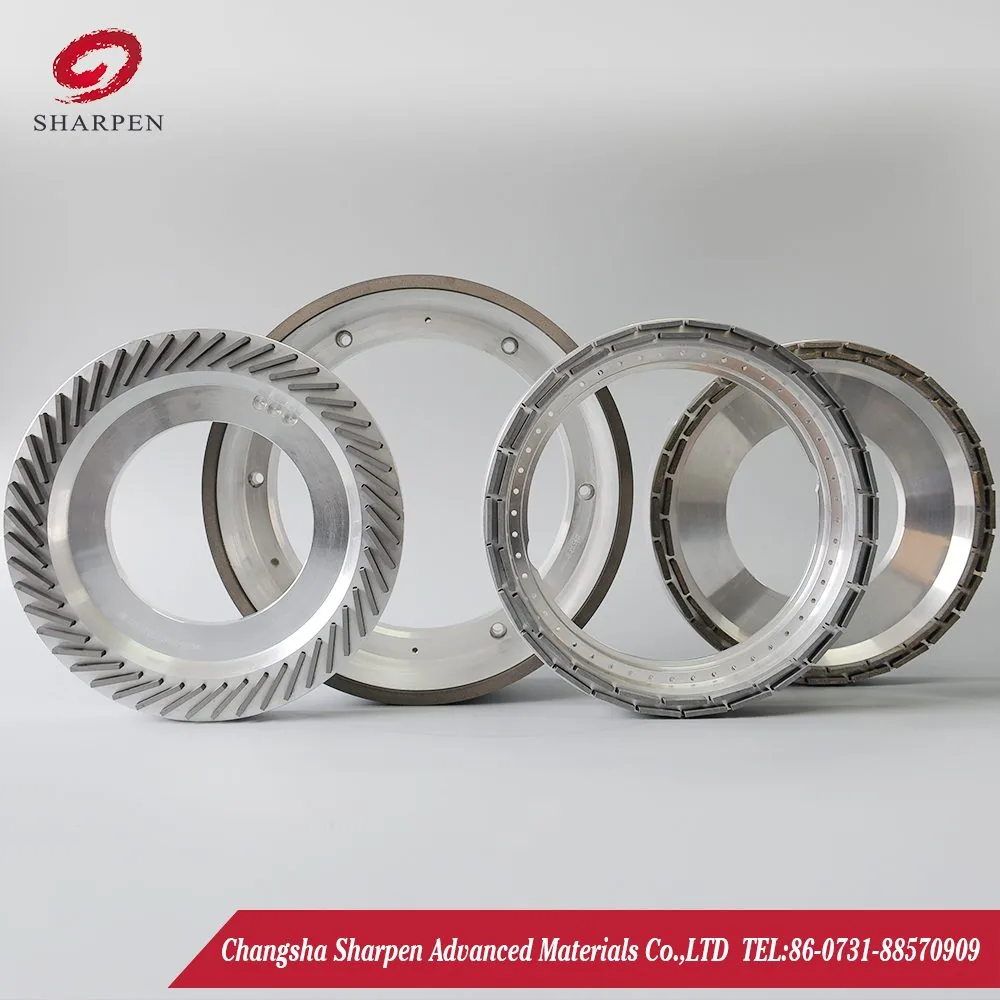
Semiconductor LED chip back thinning grinding wheel disc
LED chip back thinning grinding wheel disc is used for precision grinding of ultra-hard semiconductor materials such as sapphire and SiC, such as back thinning of LED sapphire substrate wafers, SiC substrate wafers, GaAs substrate wafers, and other grinding and thinning. Using a metal material with metallic and covalent bonds as the grinding wheel binder, the prepared diamond grinding wheel has excellent performance.
Technical Parameters
- Self-sharpening: Maintains grinding wheel sharpness, high cutting ability
- High form retention: Long service life
- Easy dressing: Can be dressed at low rotation speed; high chip holding and chip removal
- Low scratch rate, low breakage rate
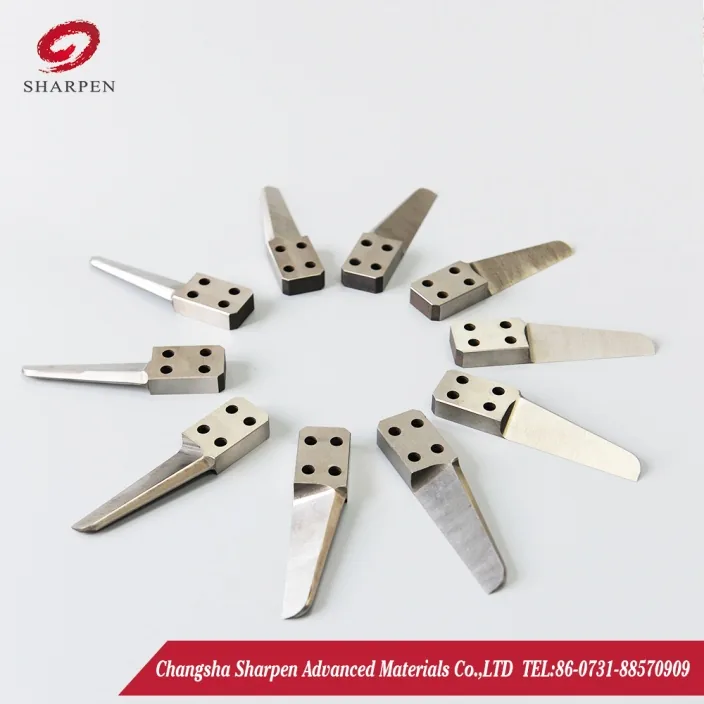
powder metallurgy high-speed steel
SAP series powder metallurgy high-speed steel products are mainly used in the high-end tool and mold industry, replacing imported materials. Adopting new powder metallurgy process, only a very small amount of machining is required to obtain tool and mold products that meet various shape and size requirements. In addition to powder metallurgy high-speed steel materials, SAP series tool and mold materials also cover multiple series such as tool steel, high-chromium stainless high-speed steel, high-vanadium high-speed steel, titanium-nickel high-speed steel, TiC/TiCN steel-bonded cemented carbide, Fe-Cr/Fe-Mn/Ni-Cr steel-bonded cemented carbide.
Technical parameters
- Can prepare complex workpieces with near-net shape, supports shape customization, reduces processing cost
- Low impurity content (O≤60ppm, S≤80ppm, P≤50ppm)
- Breaks through the alloying limitations of traditional smelting methods, convenient composition adjustment
- Good at preparing super-hard cemented carbide phase reinforced powder metallurgy high-speed steel
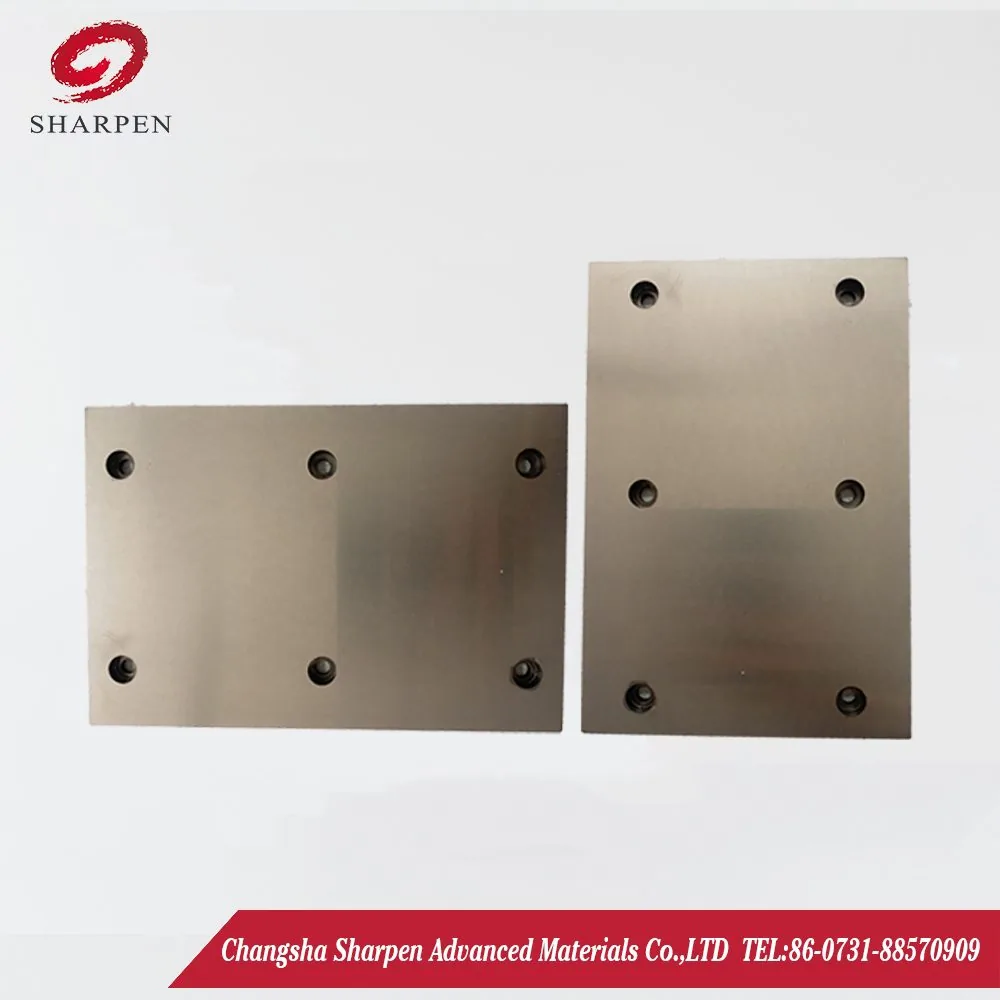
TiNiCo Super Alloy Heat Spreader
TiNiCo super alloy heat spreader used for 3D smartphone cover glass hot bending molds and semiconductor thermal management, featuring uniform heating, high planarity, and long service life, supports non-standard custom sizes, is a key material for replacing imported hot bending mold heat spreaders.
Technical Parameters
- Application: 3D glass hot bending molds, semiconductor thermal management
- Features: Uniform temperature, high planarity, long life
- Supports non-standard custom sizes
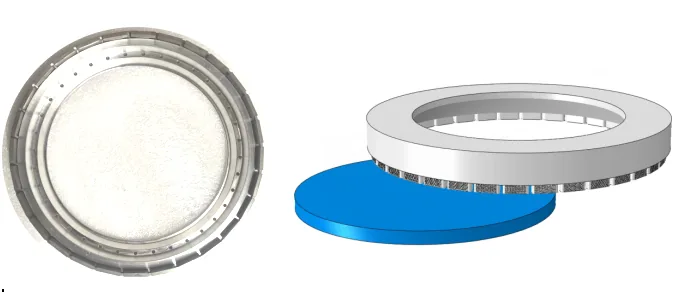
SiC wafer thinning wheel
Our self-developed SiC wafer thinning grinding wheel, adopts a single homogeneous cermet (intermetallic compound) material with metal bonds and covalent bonds as the diamond grinding wheel binder, achieving a comprehensive performance balance of self-sharpening (sharpness), form retention (long life) and high cutting rate.
Technical parameters
- Rough grinding thinning: diamond grit 2000#, can high feed grinding, TTV<2 μm
- Finish grinding 30000# thinning wheel: AFM finish 2nm or less, damage layer 0.4–0.6 μm
- Applicable equipment: Disco, Tokyo Precision, TSDI, CETC, etc.
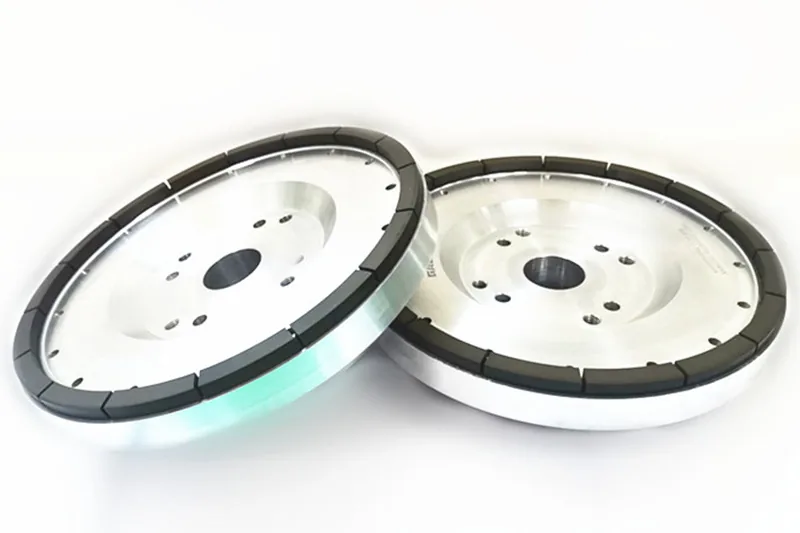
Solar silicon ingot squaring and chamfering grinding wheel
The solar silicon ingot squaring and chamfering grinding wheel is used for the squaring and chamfering of solar silicon ingots after squaring, removing saw marks and surface damage layers, and improving the efficiency and yield of subsequent processes.
Technical Parameters
- Removing saw marks and surface damage layers after squaring to achieve flatness and parallelism
- Removing coarse grinding marks to achieve corresponding surface finish
- Long service life, high surface finish, and good stability
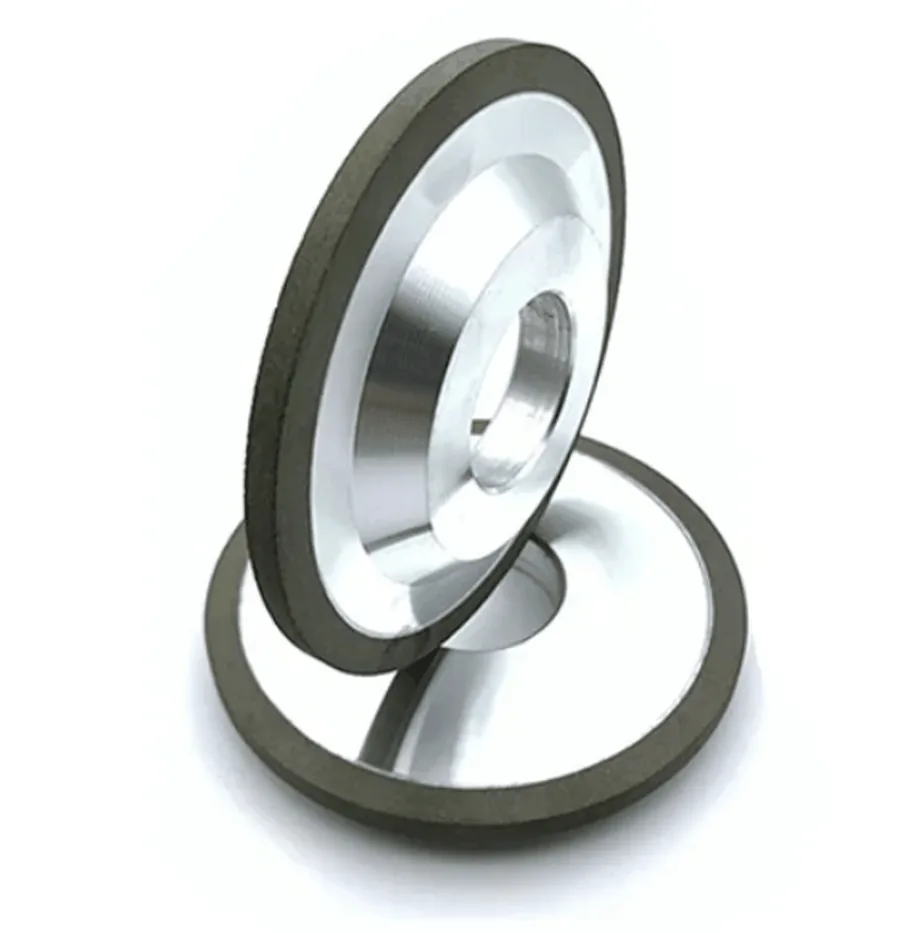
Resin grinding wheel for five-axis grinder
The resin grinding wheel for five-axis grinders is a dedicated bonded abrasive adapted to the high-precision motion characteristics of five-axis linkage, using resin as the bond, equipped with diamond or CBN superhard abrasive, designed specifically for grinding complex contour surfaces of difficult-to-machine materials such as cemented carbide and high-speed steel, it is the core consumable in precision manufacturing of CNC tools. It can directly match imported five-axis CNC tool grinders such as Walter, Anka, and Hasmag, as well as various domestic five-axis grinders, used for slotting, back-gouging, and root-cleaning processes of solid cemented carbide milling cutters, drills, reamers, and PCD/PCBN inserts, and can also complete complex contour precision grinding of workpieces made of high-speed steel, stainless steel, and cermet.
Technical parameters
- High grinding accuracy: excellent contour surface accuracy retention, roundness can reach 0.01mm, cylindricity 0.02mm, corners are not easily worn, ensuring consistency in tool edge processing
- Excellent self-sharpening: abrasive grains naturally detach at the right time, continuously exposing new cutting edges, not easily clogged, workpiece does not turn black or burn, significantly reducing spindle load
- Outstanding processing efficiency: fast material removal rate, low self-wear, long dressing cycle, supports rapid feed high-efficiency grinding on five-axis grinders
- Excellent surface quality: after finish grinding, workpiece surface Ra can be as low as 0.4μm, meeting the high gloss edge requirements of CNC tools
- Strong custom adaptability: can adjust resin formulation, abrasive grain size and concentration according to different power five-axis grinders and processing materials, supports non-standard customization from drawings or samples (outer diameter Φ50~Φ200mm, irregular structures such as 1A1, 1V1, 11V9, 12V9, etc.)
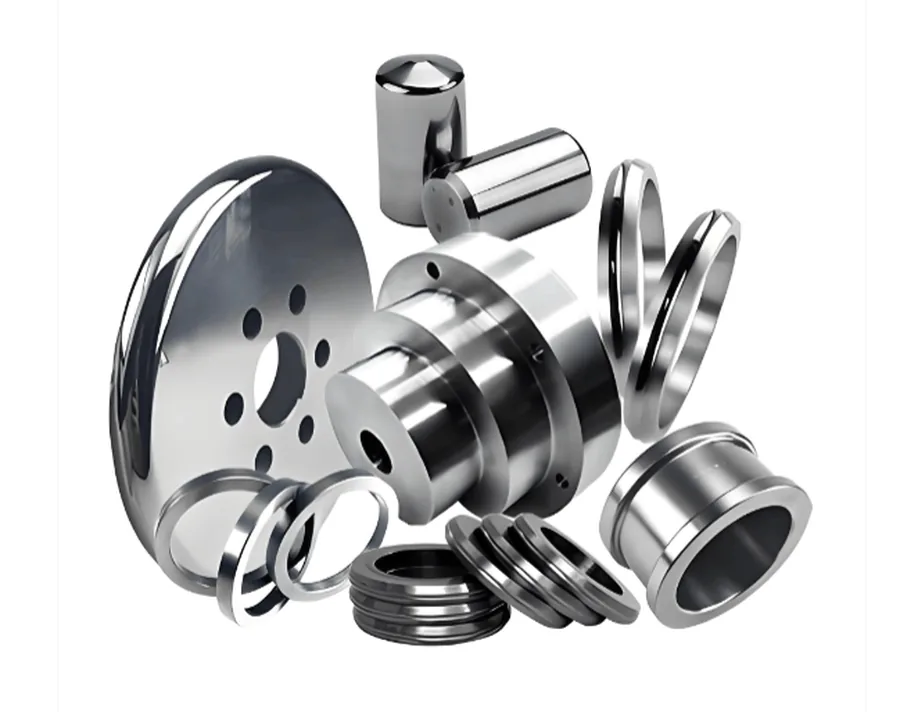
Steel-bonded cemented carbide
Steel-bonded cemented carbide targets tooling and harsh wear-resistant components — in the annealed state it can be directly machined by turning, milling, and drilling; it supports forging and welding, and complex forming can be completed without special equipment. After quench hardening, the hardness can reach HRC 60–70, wear resistance is close to that of high-cobalt cemented carbide, toughness is far superior to ordinary cemented carbide, and impact resistance is stronger. By adjusting the steel of the binder phase, special properties such as wear resistance, corrosion resistance, and heat resistance can be obtained; full lifecycle cost is far lower than conventional alloy die steel, die life can be increased by a dozen to a few dozen times, significantly reducing mold change downtime.
Technical Parameters
- Applications: Cold extrusion, cold upsetting, and blanking/punching dies; refractory brick forming dies; replaces YG20 type cemented carbide for use in high-load die cores.
- Cutting tools: Cemented carbide and high-speed steel tools used for titanium alloys and nickel alloys, rock coring, and geological drilling.
- Wear-resistant components: Rollers, nozzles, bearings; higher grade grades are used for aerospace and submarine navigation components.
- Diamond/CBN grinding wheel fixtures and CBN milling forming fixtures support; meets precision and wear requirements.
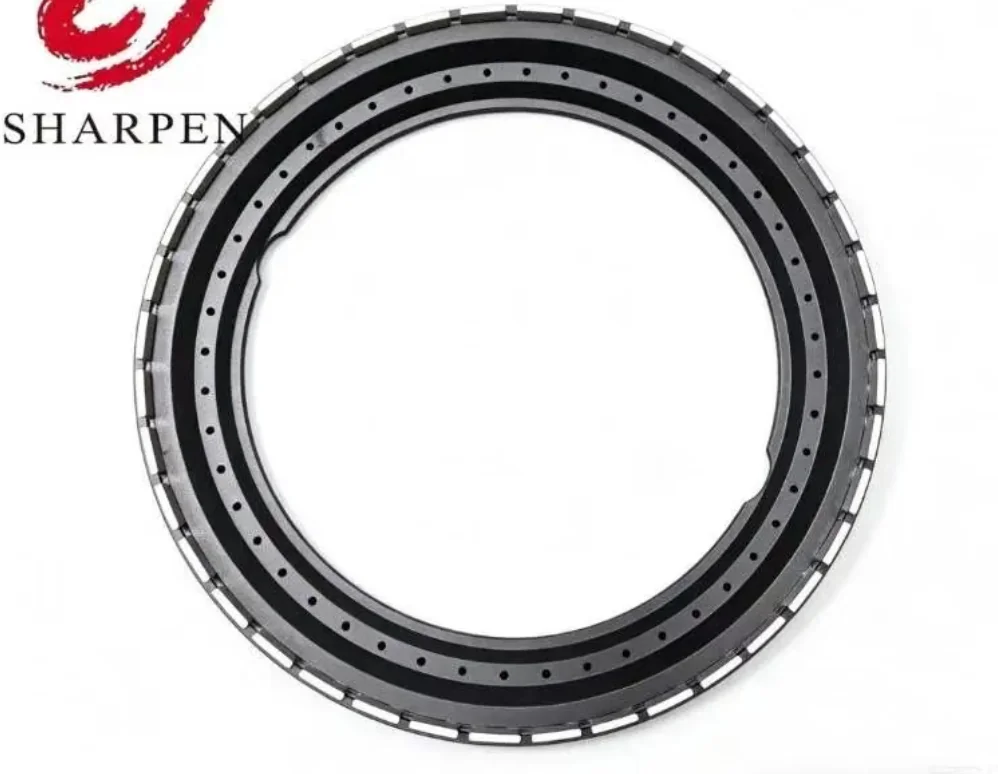
Silicon Wafer Thinning Diamond Grinding Wheel
Silicon wafer thinning diamond grinding wheel is the core dedicated consumable for the precision backside thinning process of semiconductor wafers, fully compliant with the GB/T 44687-2024 national industry standard for superabrasive products, designed specifically for high-precision thickness reduction of 12-inch and below large-size silicon wafers.
Technical Parameters
- Ultra-high machining accuracy: The total thickness variation (TTV) for 12-inch silicon wafer machining can be stably controlled within 1μm, meeting the flatness requirements of ultra-thin wafers for advanced packaging.
- Extreme cost reduction and efficiency improvement: The rough grinding feed rate can reach 1.2μm/s, with grinding efficiency improved by 30%-50% compared to regular products; the long-life design significantly reduces wheel replacement frequency, significantly reducing the comprehensive consumable cost of the production line.
- Low load, low damage: Optimized diamond abrasive layout structure, lower grinding processing load, effectively reducing edge chipping and sub-surface damage at wafer edges, reducing the processing pressure of subsequent processes.
- Full process adaptability: After fine grinding, the surface roughness Ra of the workpiece can reach the nanometer level, significantly reducing the machining allowance for subsequent CMP polishing, shortening the processing cycle of the entire production line.
- Flexible selection of multiple formulations: Provides mainstream bond products in three categories: metal, resin, and ceramic, respectively adapted to the differentiated needs of different process stages such as rough grinding, fine grinding, and ultra-fine grinding.
- Stable mass production guarantee: A strict full-process quality control system ensures batch consistency of the product, significantly reducing the debugging time after production line changeover, directly improving the final yield of the entire production line.